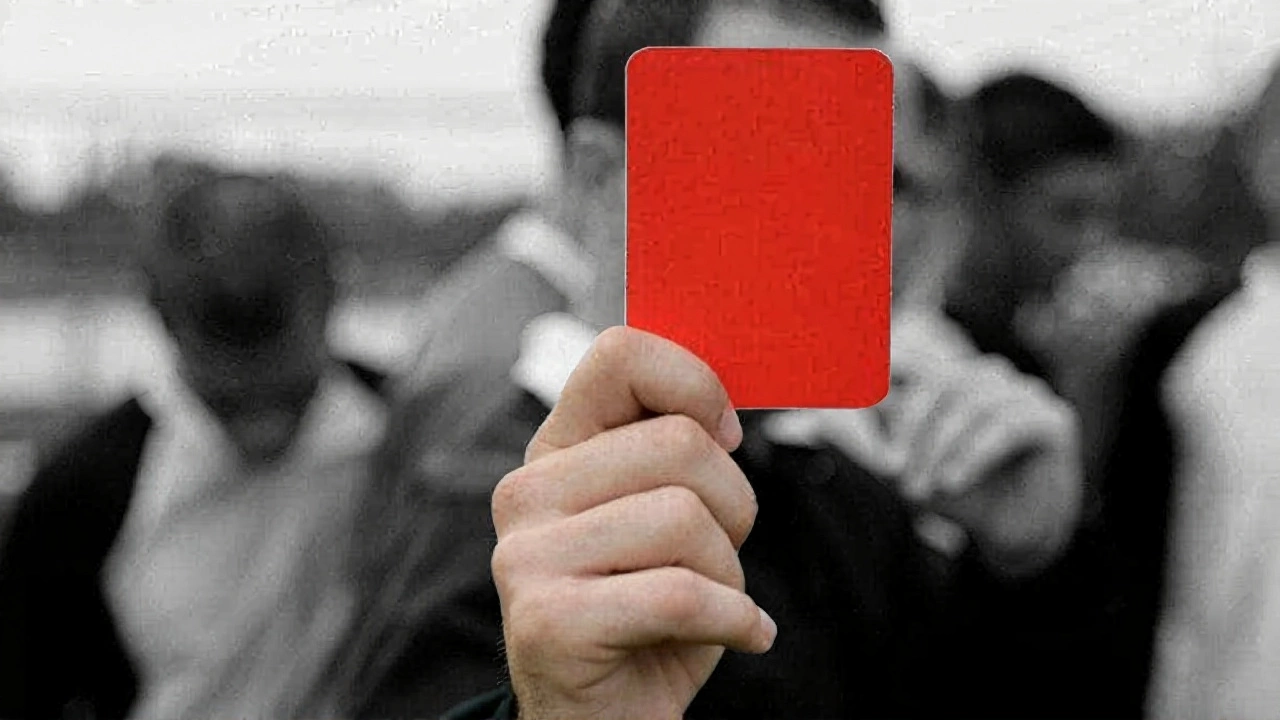
It’s rare for two of Mexico’s biggest clubs to agree on anything, but Cruz Azul and Pumas UNAM have found common ground in a surprising place: their shared disdain for the officiating crew assigned to their upcoming showdown. The tension is palpable as both teams allegedly refuse to even look at the referees designated for the Liga MX Clausura 2026 FinalMexico City, using the colorful local idiom that they "don’t even want to see them in paint."
This isn't just locker room chatter; it's a brewing storm that threatens to overshadow what should be a celebration of football excellence. When rivals unite against the fourth official, you know the stakes are high. Here’s the thing: this dispute highlights a deeper fracture between the league’s governing bodies and its most passionate fanbases.
The Core of the Dispute
The heart of the matter revolves around two specific referees whose names have become toxic within the corridors of power at both clubs. While the exact identities are being guarded closely by league officials to prevent pre-match bias, reports suggest these officials have histories of controversial calls involving both sides. For Cruz Azul, known for their tactical discipline, any perceived inconsistency in penalty decisions is viewed as an existential threat. For Pumas UNAM, who pride themselves on technical superiority, aggressive foul interpretations can derail their entire game plan.
Turns out, the phrase "no quieren ni ver en pintura" (they don’t even want to see them in paint) has been circulating in internal communications and leaked press briefings. It’s a strong statement. It implies that the mere presence of these officials compromises the integrity of the match before a single ball is kicked. This level of animosity is unusual, even for a rivalry as heated as the one between the Blue Eagles and the University Lions.
Historical Context and Precedents
To understand why this reaction is so fierce, we have to look back. Mexican football has long struggled with perceptions of refereeing bias. In previous seasons, incidents like the 2023 Apertura final saw widespread accusations of foul play, leading to protests and even legal challenges from club owners. The Liga MX has since implemented stricter oversight protocols, including video review enhancements and anonymous reporting systems for officials. However, trust remains fragile.
Both Cruz Azul and Pumas UNAM are historically significant entities. Cruz Azul, founded in 1927 in Jasso, Hidalgo, before moving to Mexico City, carries the weight of multiple continental titles. Pumas UNAM, linked to the National Autonomous University of Mexico, represents the intellectual and athletic pride of the capital. Their clashes are never just about three points; they are battles for identity. When the referee becomes a focal point, it taps into decades of frustration over fairness and transparency.
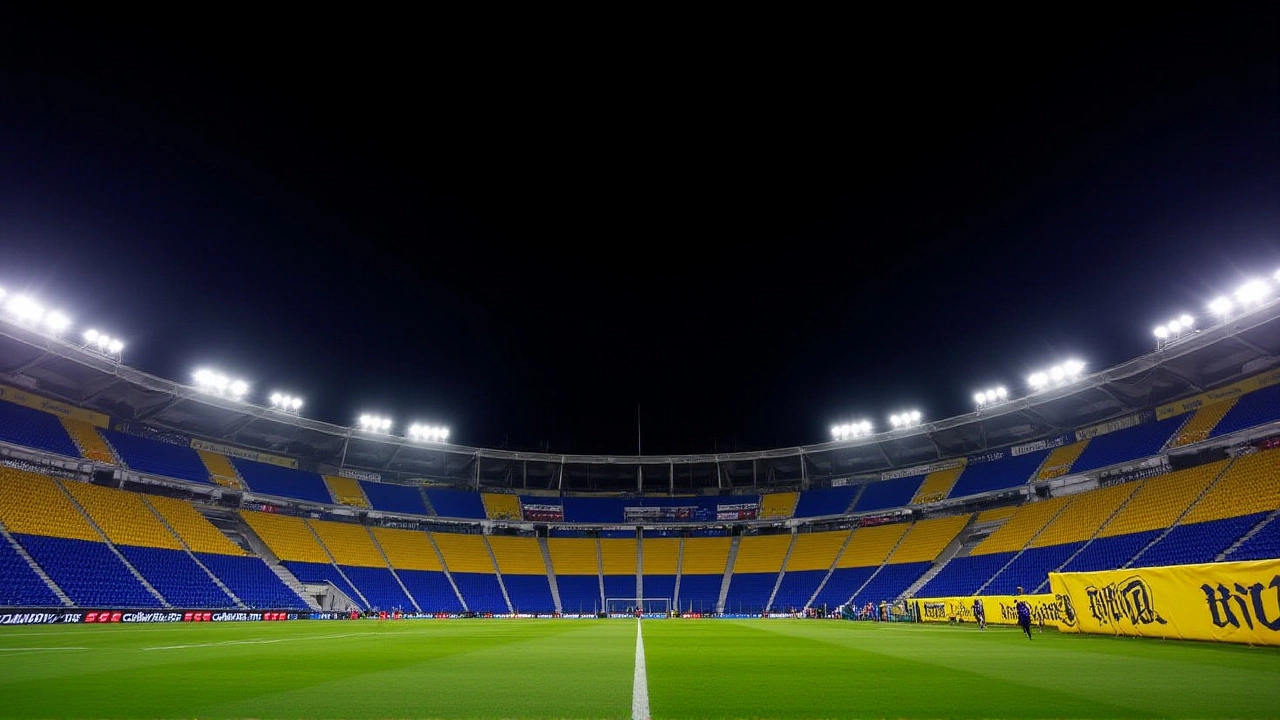
Reactions from Stakeholders
League officials have remained tight-lipped, citing the confidentiality of referee assignments until 48 hours before kickoff. Luis Felipe Pérez, President of Liga MX, stated in a recent press conference that all appointments are made based on merit and performance metrics, denying any political influence. "We respect the opinions of our clubs," he said, "but our priority is the integrity of the competition. The referees selected are the best available for this specific fixture."
However, sources close to the clubs tell a different story. Anonymous insiders claim that formal complaints were lodged weeks ago, requesting alternative officials due to past conflicts of interest. These requests were reportedly denied, fueling the current outrage. One Cruz Azul executive was quoted saying, "It feels like we’re being set up to fail. If the referees are biased, no amount of skill will save us." Similarly, Pumas UNAM’s sporting director hinted at potential boycott threats if the situation isn’t resolved, though such actions would carry severe financial penalties.
Impact on the Game and Fans
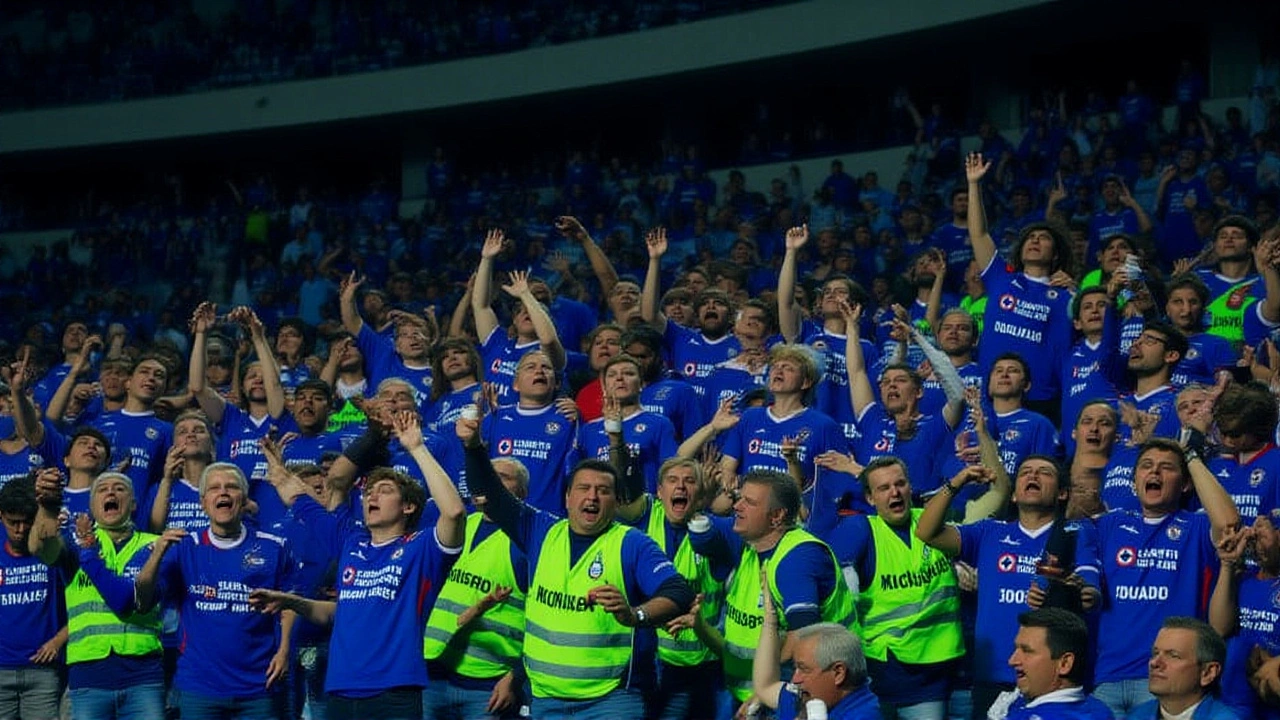
The ripple effects extend beyond the pitch. Fans on both sides are mobilizing online, creating hashtags demanding transparency and fair play. Social media platforms are ablaze with memes and critiques of the refereeing commission. This digital outcry puts pressure on sponsors and broadcasters, who rely on neutral, entertaining content. A match marred by off-field drama risks alienating viewers and damaging the brand value of Liga MX.
Moreover, the psychological impact on players cannot be underestimated. Knowing that fans and management distrust the officials can lead to heightened aggression or caution on the field. Players might hesitate to challenge for balls or react emotionally to marginal calls, disrupting team cohesion. Coaches are likely spending extra time in training sessions discussing how to manage referee interactions, adding another layer of complexity to their tactical preparations.
What’s Next?
As the final approaches, all eyes are on the Liga MX disciplinary committee. Will they intervene? Could there be a last-minute change in officiating staff? Or will the match proceed as scheduled, with the hope that on-field performance speaks louder than pre-match rhetoric? The next 72 hours are critical. Any announcement regarding referee changes or additional oversight measures could defuse tensions—or escalate them further.
Background checks reveal that similar disputes have occasionally led to post-match investigations and sanctions against clubs for unsportsmanlike conduct. If either team crosses the line into public disparagement of officials, fines or point deductions could follow. The stakes have never been higher, not just for the trophy, but for the reputation of Mexican football itself.
Frequently Asked Questions
Who are the two referees involved in the controversy?
The specific identities of the referees have not been publicly confirmed by Liga MX to maintain neutrality and avoid pre-match bias. However, reports indicate they are senior officials with extensive experience in top-tier matches. Clubs have cited past controversial calls involving both Cruz Azul and Pumas UNAM as reasons for their objection, suggesting these referees have histories of contentious decisions in games featuring these teams.
What does the phrase "don't even want to see them in paint" mean?
This is a Spanish idiom ("no quieren ni verlos en pintura") that expresses extreme aversion or dislike. It implies that the parties involved find the subject so unpleasant that they wouldn't want to encounter them even in a painting—a metaphorical way of saying they wish to avoid any association whatsoever. In this context, it highlights the intense distrust and hostility Cruz Azul and Pumas UNAM feel toward the assigned officiating crew.
How might this affect the outcome of the final?
Psychologically, the dispute could lead to increased tension on the field. Players may become more aggressive or overly cautious, fearing unfair treatment. This can disrupt tactical execution and team cohesion. Additionally, if controversies arise during the match, post-game fallout could include appeals, investigations, or even sanctions, potentially impacting future standings or reputations regardless of the final score.
Has Liga MX addressed these concerns officially?
Liga MX officials have maintained that referee assignments are based strictly on merit and performance data, denying any political interference. President Luis Felipe Pérez emphasized the league's commitment to integrity. However, they have not commented on specific complaints from the clubs, citing confidentiality protocols. No changes to the officiating staff have been announced as of now, leaving the clubs' frustrations unresolved.
Are there precedents for such disputes in Liga MX history?
Yes, Mexican football has seen several instances where clubs challenged refereeing decisions, sometimes leading to protests or legal action. Notably, the 2023 Apertura final sparked widespread accusations of bias, prompting reforms in oversight. While direct boycotts are rare due to severe penalties, public criticism and lobbying for referee changes are common tactics used by clubs to influence outcomes or demonstrate dissatisfaction with league governance.